Community Engagement That Feels More Human
PLAYCE Studio trains leaders, designers, and facilitators to use play-based engagement strategies that build trust, reduce conflict, and transform public participation into collaborative problem-solving.
Get Started with a
Keynote Speaker
Hiring a keynote speaker can transform your project by boosting team motivation and morale, introducing fresh perspectives and providing valuable expertise. Reputable speakers facilitate networking and collaboration, highlight project milestones, and encourage continuous learning and improvement.
Most Public Engagement Was Never Designed for Real Participation
Traditional public engagement often asks communities for feedback after major decisions have already been shaped.
People attend meetings feeling skeptical, defensive, unheard, or disconnected.
Design teams leave frustrated.
Communities leave exhausted.
And projects move forward with lingering resistance instead of shared ownership.
PLAYCE Studio was built to change that dynamic.
We believe engagement should do more than collect opinions.
It should build trust.
Create understanding.
Reduce conflict.
And help communities imagine what’s possible together.
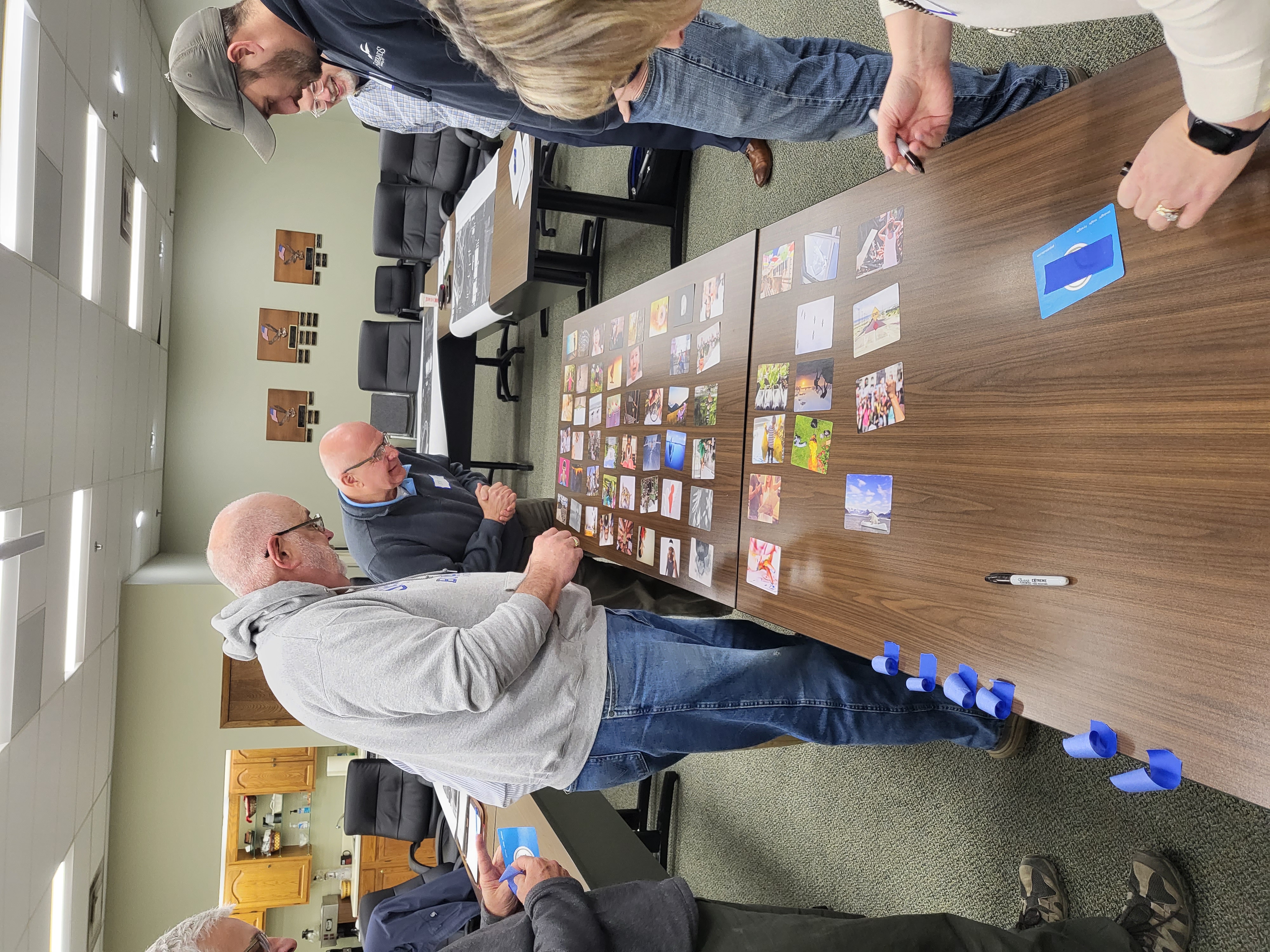
Why Play Changes the Conversation
Most public engagement processes are built around presentations, comment periods, and problem-solving under pressure.
But when people feel defensive, unheard, rushed, or disconnected, they tend to protect positions instead of explore possibilities. Conversations become reactive instead of collaborative. Creativity narrows. Trust erodes. And communities leave feeling like participation was something they had to endure rather than something they helped shape.
That’s where play changes the dynamic.
At PLAYCE Studio, play is not entertainment. It is not icebreakers for the sake of being fun. And it is not centered around children.
Our methodology is grounded in play science and decades of research showing that play helps people lower defensiveness, increase curiosity, strengthen emotional regulation, and build social connection. Researchers like Dr. Stuart Brown have demonstrated that play is one of the most powerful ways humans learn, adapt, collaborate, and solve problems together.
When thoughtfully integrated into community engagement, play creates the conditions for more honest participation and more meaningful conversations.
People begin listening differently.
Teams become more open to new ideas.
Residents who normally stay quiet begin contributing.
Skeptical participants become collaborators.
And communities shift from debating positions to imagining possibilities together.
This is why the PLAYCE Engagement Framework works across public meetings, participatory design, civic engagement, workshops, planning processes, leadership teams, and community conversations.
Because before communities can solve problems together, people need to feel safe enough to participate fully.
And play helps create that safety.
“When people feel safe enough to play, they become capable of imagining solutions together.”
What Play Makes Possible
-
Lowers Defensiveness
Play creates emotional breathing room that helps people engage more openly.
-
Builds Trust
Shared experiences create faster human connection between participants, teams, and communities.
-
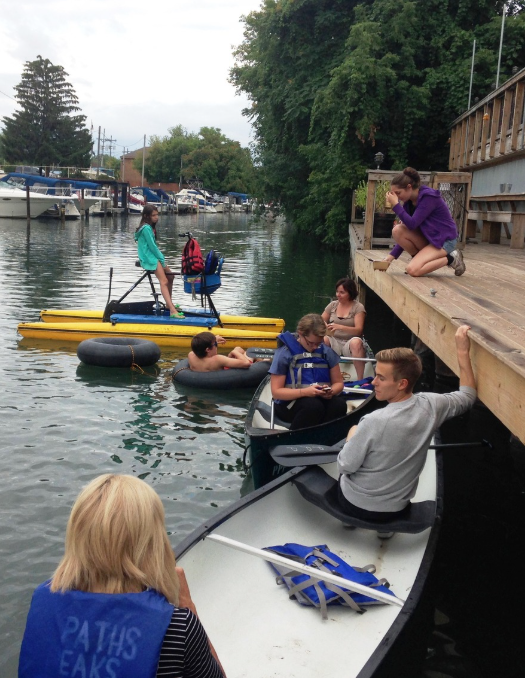
Increases Participation
People who normally disengage become active contributors.
-
Improves Collaboration
Communities begin solving problems together instead of arguing from opposite sides.
-
Encourages Creativity
Participants move beyond fixed positions into possibility thinking.
-
Creates Stronger Outcomes
Projects gain clearer alignment, less resistance, and deeper community ownership.
“I think the revelation is that PLAYCE not only enlivens and expands engagement and interaction with the community, but it also helps redefine the entire design process and its priorities.”
Aimee Arceo
Landscape Architect
Get Started Today!
Feel connected, supported, and inspired with a keynote from PLAYCE Studio. Let’s create a memorable and impactful experience together. Contact us today to book your keynote speaker and step into a world where everyone can play!
PLAY MAKES ROOM FOR EVERY VOICE
PLAY ELEVATES ENGAGEMENT
& MOTIVATION
(716) 695-1987
info@jklastudio.com
M-F: 9am - 5pm
PLAYCE | Placemaking through play.
RESOURCES
FOLLOW US

© Copyrights by PLAYCE Studio, Ltd.. All Rights Reserved.