Tonawanda, New York
A City Surrounded by Water Learned to See It Again.
Sometimes the work isn't building something new. It's helping a community notice what it already has.
The City of Tonawanda is surrounded by water, and its history is steeped in it. But urban renewal work in the 1960s removed much of the Erie Canal legacy, and the water slowly faded from daily life. One of the canal's most important locations had stopped telling its own story.
The Local Waterfront Revitalization Plan process could have begun with maps and comment cards. It began instead with people on the water. Site Analysis Tours took participants walking and boating along Two Mile Creek, the Niagara River, the Erie Canal, and Ellicott Creek, close enough to see conditions and opportunities for themselves. Each tour used a facilitation game that turned the project team into collaborative problem solvers.
When the Steering Committee saw the untapped potential of Ellicott Creek, they decided the whole community should see it too. The Crazy Creek Party, complete with inner tubes and canoes, was a family-friendly event with a serious purpose: honest conversations about balancing the health of the environment with commercial interests, and real data about how often residents and visitors actually use the creek.
One participant put it plainly: "I've lived in Tonawanda my entire life and I have never seen the water the way I have today... thank you."
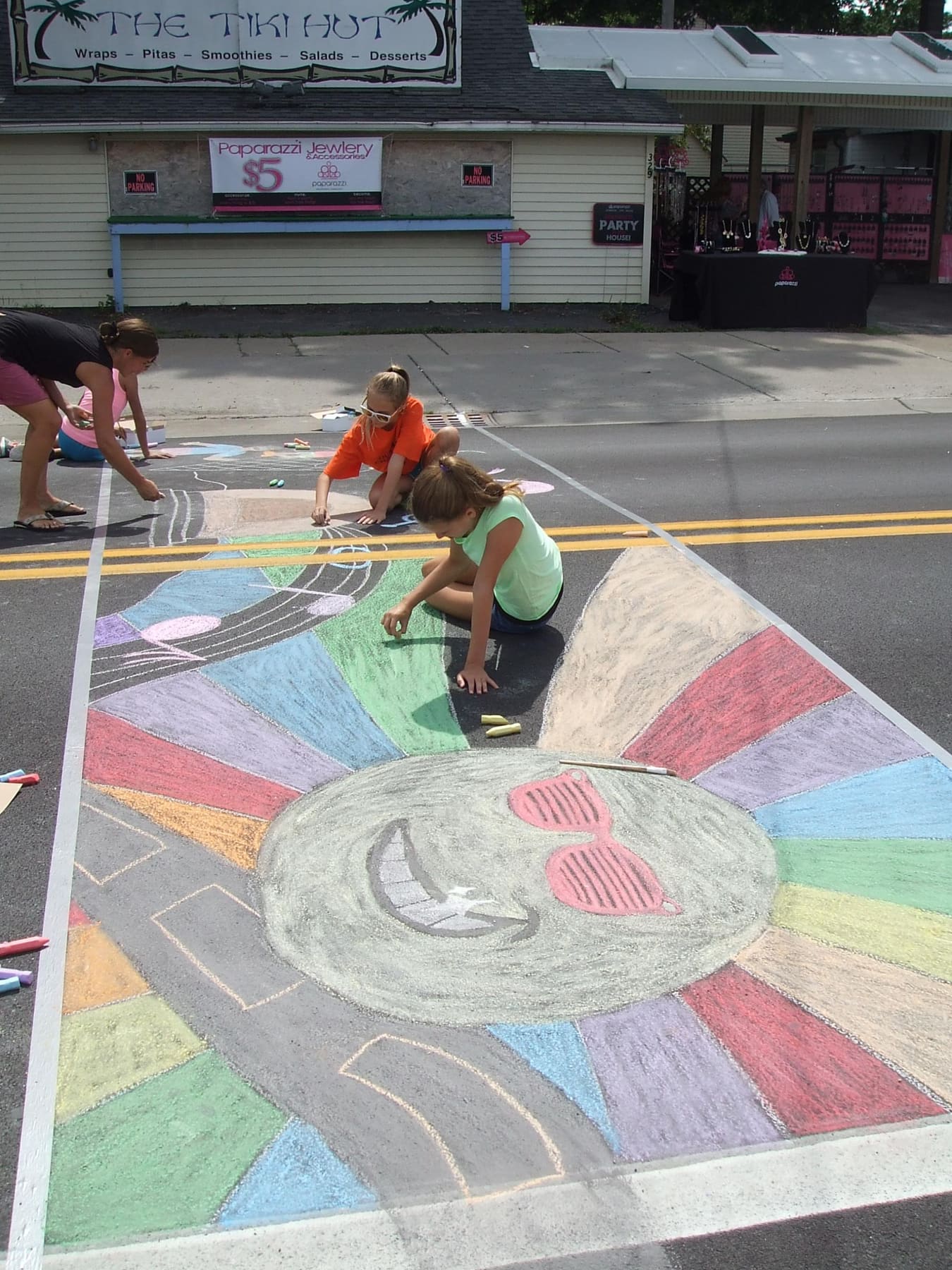
That new way of seeing became a plan: a living document the city uses to guide funding and resource decisions year after year. Since the engagement sessions, Tonawanda has received a special $2.5 million grant to reroute traffic from a water-edge road and convert it into a waterfront park with a newly created pavilion. The State chose to route the Empire State Trail, now the longest contiguous trail in the state, through that new park. And more than 75 families and individuals took part in the Niawanda Art Walk, where Community Conversations explored how people interact with the water now and what they would like to see in the future.
The PLAYCE Difference
- Residents toured their own waterways on foot and by boat before any plan was drawn.
- A creek party, not a hearing, surfaced how the community actually uses its water.
- The plan lives on as a working document that still guides the city's funding decisions.
A community cannot care for what it no longer sees. Seeing comes first.